10 Flattering Tops to Hide Everything Extra
Introduction
Finding flattering tops that provide a comfortable fit and boost your confidence around the midsection requires understanding cut, fabric, and structure. Women searching for reliable wardrobe updates often look for garments that balance ease of wear with polished style.
This guide covers ten standout clothing options designed to skim over areas you prefer not to emphasize. You will learn about specific design features like peplum hems, structured V-neck cuts, and forgiving fabrics that streamline your silhouette effortlessly.
How Balance and Proportion Create Flattering Tops
Flattering tops achieve visual balance by playing with proportion, drape, and structural lines rather than relying on tight fits. A well-designed garment creates clean lines that draw the eye where you want it while skimming comfortably over the midsection. This intentional approach to dressing shifts the focus away from rigid sizing rules and onto how different fabrics and cuts move with your body.
When styling everyday outfits, understanding how specific design elements alter visual proportions allows you to curate an aesthetic wardrobe that feels both polished and deeply personal. Women looking to refine their style often wonder what style of top is most flattering, and the answer lies in evaluating how silhouette, neckline, and hemlines interact with your natural shape.
The Shift Away From Mandatory Tucking
Rigid rules about tucking every shirt into your waistband are fading away in modern styling. Comfort and personal ease now take priority over outdated standards of what looks polished. You can achieve a sophisticated silhouette just as easily by letting a shirt drape freely over your trousers or skirt. This anti-tuck movement embraces relaxed cuts that offer effortless elegance without requiring constant adjusting or restrictive tailoring. Letting go of the tuck allows garments like relaxed button-downs from brands like Sèzane or cropped silhouettes from Madewell to shine on their own terms without needing forced styling.
The Role of Fabric and Structural Design
Choosing the right fabric makes a significant difference in how a garment hangs and interacts with your natural shape. Stiff materials, such as crisp cotton poplin, hold their own shape and create architectural interest, while softer weaves flow smoothly without clinging. Selecting pieces designed with thoughtful proportions lets you build outfits that feel effortless and entirely comfortable from morning to night. Incorporating design details like a V-neckline, strategic ruffles, or a structured peplum hem further enhances the silhouette by directing attention naturally and flattering various body types.
Balancing Volume in Everyday Outfits
Practical dressing often involves balancing the volume of your clothing items. If you choose a voluminous or boxy top, pairing it with slimmer bottoms creates a harmonious contrast. Conversely, a fitted short sleeve or long sleeve shirt can anchor a wider-leg trouser or a flowing skirt. When evaluating how different garments fit your frame, look closely at how the shoulder seams sit and how the hemline falls relative to your hips.
For instance, casual wardrobe staples like the Madewell slub boxy-crop tee or the Nation Kimberley polo tee demonstrate how looser cuts pair effectively with structured lower halves. Avoiding common mistakes, such as choosing overly stiff synthetic fabrics that trap heat and balloon outward instead of drapes, ensures your capsule wardrobe remains functional and versatile.
Best Necklines for Flattering
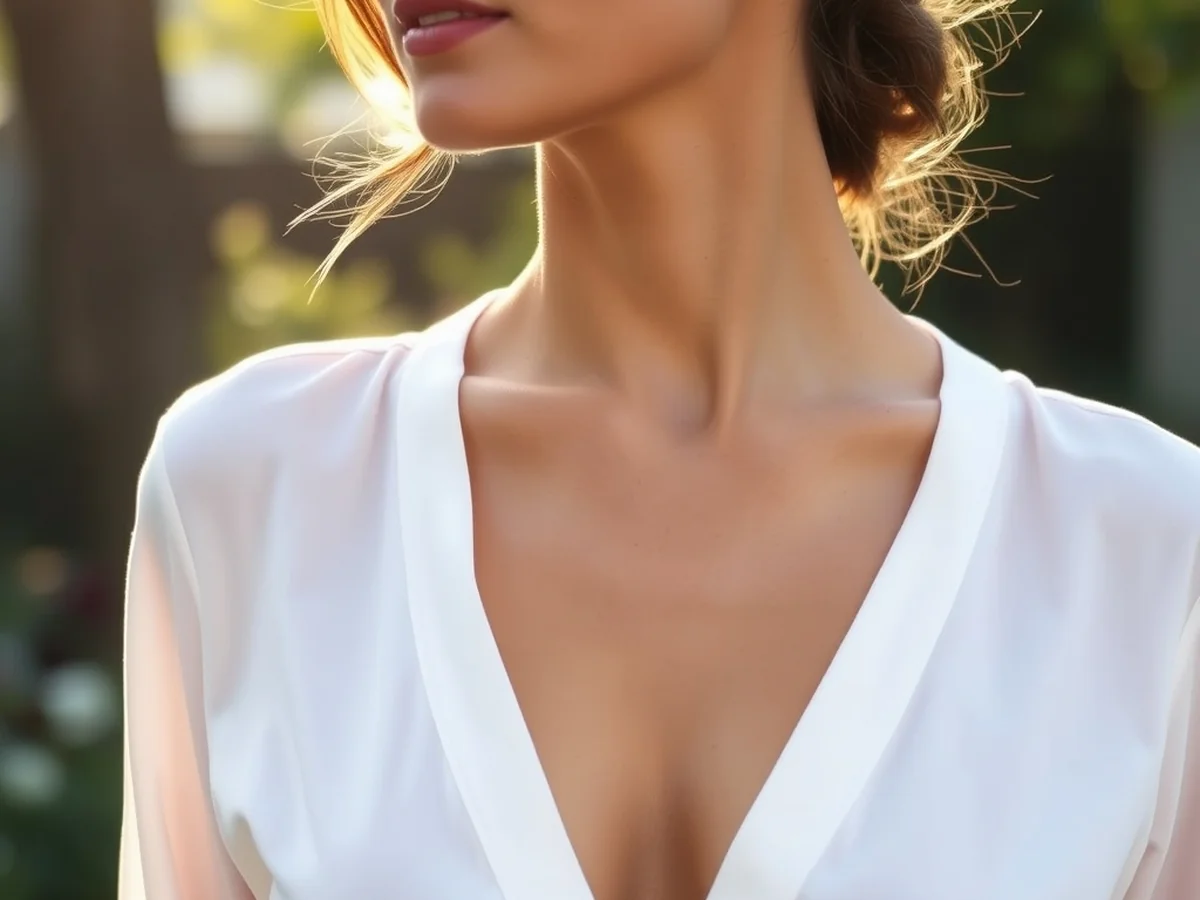
Choosing the right neckline alters how proportions appear by drawing the eye along specific vertical or horizontal paths. A classic V-neck creates an uninterrupted vertical line down the center of the chest, which naturally lengthens the neck and torso. This vertical extension breaks up broad shoulder lines and minimizes the visual weight of a heavier midsection. In contrast, crew necklines sit high and horizontal, which can make the upper body look wider, whereas an open cut guides attention up and down instead of side to side. Understanding what style of top is most flattering involves analyzing how different cuts interact with your frame to build a versatile capsule wardrobe.
Neckline Variations and Proportions
Boat necks and square cuts draw the eye outward toward the shoulders, making them ideal for balancing narrower hips. Meanwhile, scoop necks offer a softer, universally wearable alternative that elongates without plunging too low. When curating a functional wardrobe, paying attention to these architectural details ensures every piece works harmoniously with your natural shape.
Sleeve Design and Fabric Drapes
Sleeve length plays an equally major role in how arm shape is perceived. Three-quarter lengths and elbow-length cuts stop at the slimmest parts of the arm, creating a balanced silhouette without clinging too tightly. For those seeking long sleeve styles or short sleeve options, fabric choice matters just as much as cut. Structured materials like crisp cotton poplin hold their shape away from the body, whereas fluid silks and lightweight knits contour smoothly without adding bulk.
Structural Elements for Midsection Balancing
Structural elements provide additional shaping benefits. A well-placed peplum hem adds balance to the torso by cinching at the smallest part of the waist and flaring outward. This flared design creates an hourglass illusion while skimming comfortably over the hips and tummy area, which is a frequent goal when shopping for flattering tops to hide tummy concerns. Similarly, subtle ruffles can redirect focus and soften sharp angles when placed strategically along the collarbone or cuffs, adding gentle dimension without overwhelming your frame.
Selecting Everyday Pieces
When selecting everyday pieces, such as the Madewell Slub Boxy-Crop Tee, which is commonly found around $38, or the Nation Kimberley Polo Tee, typically priced around $135, pay attention to how the seams and hems finish against your body. Sèzane offers additional button-downs and shirts that fit into this aesthetic category. Avoiding common mistakes, such as choosing overly stiff fabrics that box out your silhouette or opting for necklines that compress your chest, ensures a balanced fit that boosts daily confidence across various body types, including apple, pear, and hourglass shapes.
Draping Styles That Flatter
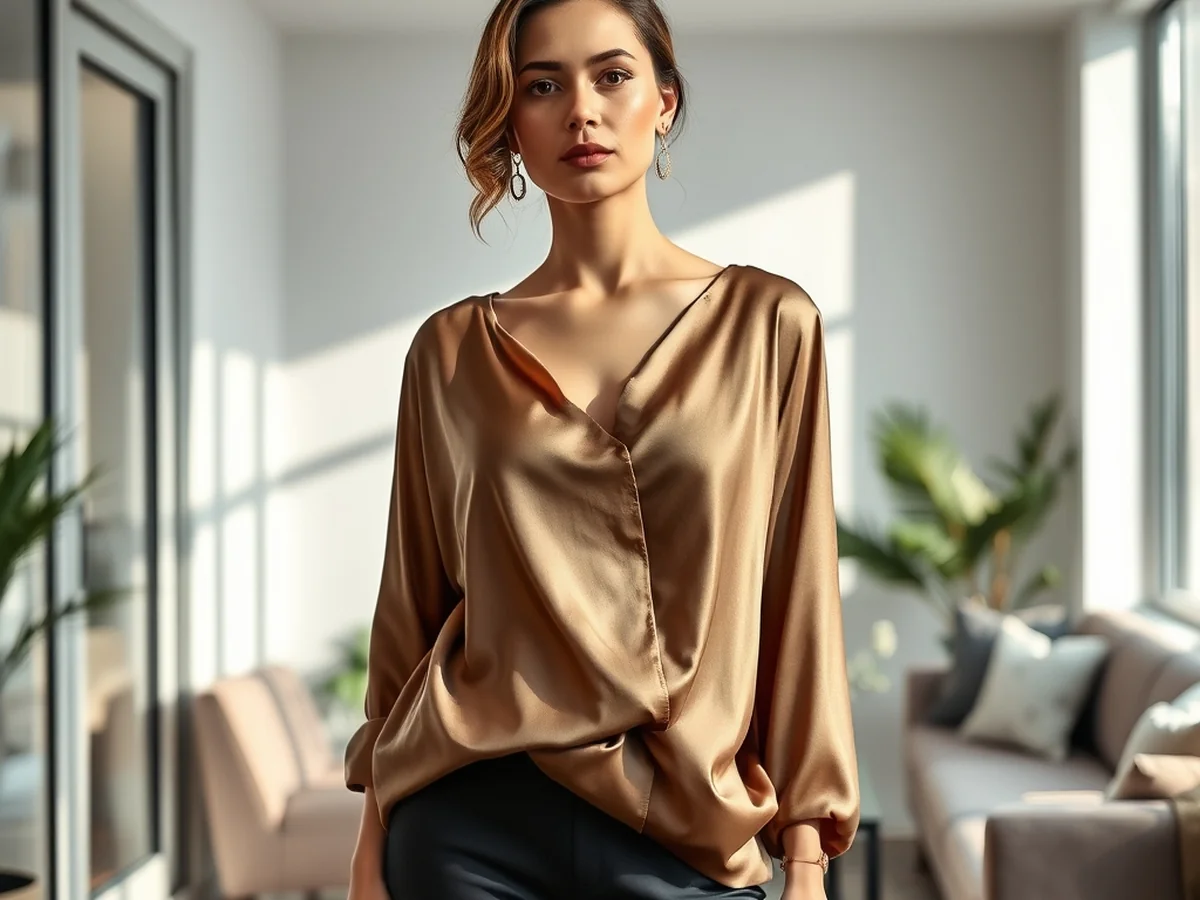
Specific fabric weights dictate how a garment hangs over the midsection, determining whether a silhouette skims curves or clings tightly. Heavy materials provide their own structure, while ultra-thin weaves require careful styling to avoid unwanted texture telegraphing. Understanding these textile differences helps in selecting flattering tops that create a smooth, polished line without feeling restrictive.
Contrasting structured fabrics like cotton poplin with fluid, lighter weaves changes the entire geometry of an outfit. Crisp cotton maintains its own shape, bridging over areas you prefer to camouflage rather than molding directly to the skin. Fluid weaves move gracefully, offering gentle motion without adding bulk. When building a capsule wardrobe, incorporating both structured and relaxed textiles allows you to balance daily comfort with a clean silhouette.
Natural fibers often offer a more refined drape for daily wear because they breathe well and conform smoothly to the body. Silk, linen, and quality cotton blends hang with a natural weight that synthetic alternatives rarely replicate. This inherent gravity pulls the fabric downward in a clean vertical line, preventing the material from bunching around the waist. Choosing options like a Madewell tee or a polished button-down made from breathable natural fibers ensures the garment falls cleanly from the bust downward.
Fabric weight directly dictates how a garment behaves around the torso. Lightweight materials drape softly and conform to every contour, whereas midweight textiles possess enough body to create a clean visual plane. A common mistake is selecting ultra-fine knits that cling to every curve, whereas shifting to a slightly heavier jersey or structured cotton poplin creates an effortless skimming effect. When evaluating different sleeve lengths and cuts, pay close attention to the grams per square meter or hand feel of the textile to ensure it supports your desired aesthetic.
Practical styling involves understanding the mechanics of how clothes interact with your frame. To achieve the best results with everyday basics, consider these steps:
- Inspect the fiber content label to prioritize natural fibers or stable blends that maintain vertical weight.
- Test the drape by holding the fabric up to the light. If it appears translucent, it will likely cling or require a layering piece.
- Pair structured items, such as a crisp cotton poplin shirt, with streamlined bottoms to maintain balanced proportions.
- Avoid overly stretchy synthetic blends that lack structural memory, as they tend to ride up and bunch around the midsection throughout the day.
Tops with Ruching Details
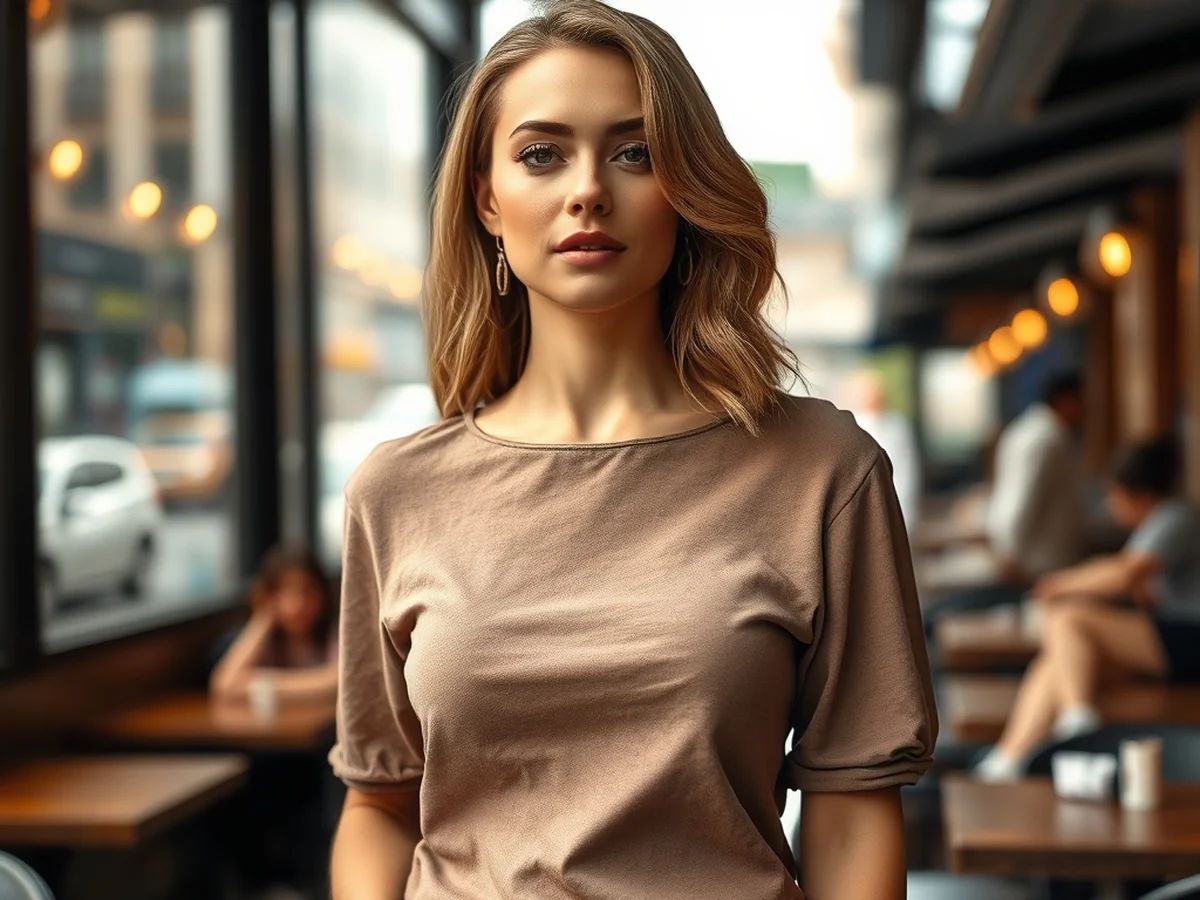
Finding flattering tops that require zero fuss throughout the day often comes down to clever construction. Ruching creates visual interest by using gathered fabric to draw the eye away from targeted areas while building natural texture. This clever manipulation of material adds depth without adding bulk, which helps break up the silhouette smoothly. Certain structured cuts also minimize the need for the tucking movement by utilizing hems that fall naturally at the right hip point. When shirts feature built-in tapering, you can skip constant adjustments.
The main reason ruching works so well is its ability to camouflage without feeling restrictive. Stiff fabrics often cling or bunch awkwardly, but strategic gathering allows the textile to move naturally with the body. When building a versatile capsule wardrobe, incorporating pieces with built-in texture saves time and eliminates the frustration of shirts coming untucked every time you raise your arms or sit down. Many shoppers look for dependable options like the Madewell Slub Boxy-Crop Tee or the Nation Kimberley Polo Tee to anchor their everyday rotations with reliable fits.
Design Features and Silhouette Impacts
Different design features suit varied body shapes by shifting focus to your best features. An apple shape benefits greatly from diagonal gathering that conceals the tummy area effortlessly, while a pear shape shines in styles that flare out slightly below the waist. A common mistake is buying shirts that are simply oversized to hide areas of concern, which usually adds unwanted volume instead of shaping the silhouette. Choosing the right cut ensures comfort and style go hand in hand, letting you move through your day with complete confidence.
| Design Feature | Primary Visual Effect | Recommended Body Shape |
|---|---|---|
| Ruching | Distracts and smooths midsection | Apple and Hourglass |
| Peplum Hem | Defines waist and skims hips | Pear and Rectangle |
| V-Neck Cut | Elongates the neck and torso | Round and Petite |
Choosing the Right Fabric and Cut
Material choice plays a massive role in how clothing hangs throughout a busy schedule. Crisp cotton poplin or structured knits hold their shape far better than flimsy synthetics that cling to unwanted areas. When evaluating how clothing drapes across your frame, pay close attention to how the hem finishes at the hip. Shirts featuring a subtle peplum hem or side vents drape cleanly over the waistband, allowing you to bypass the annoying habit of constantly pulling your shirt down or tucking it back in after every movement.
Versatile Tops for Layering
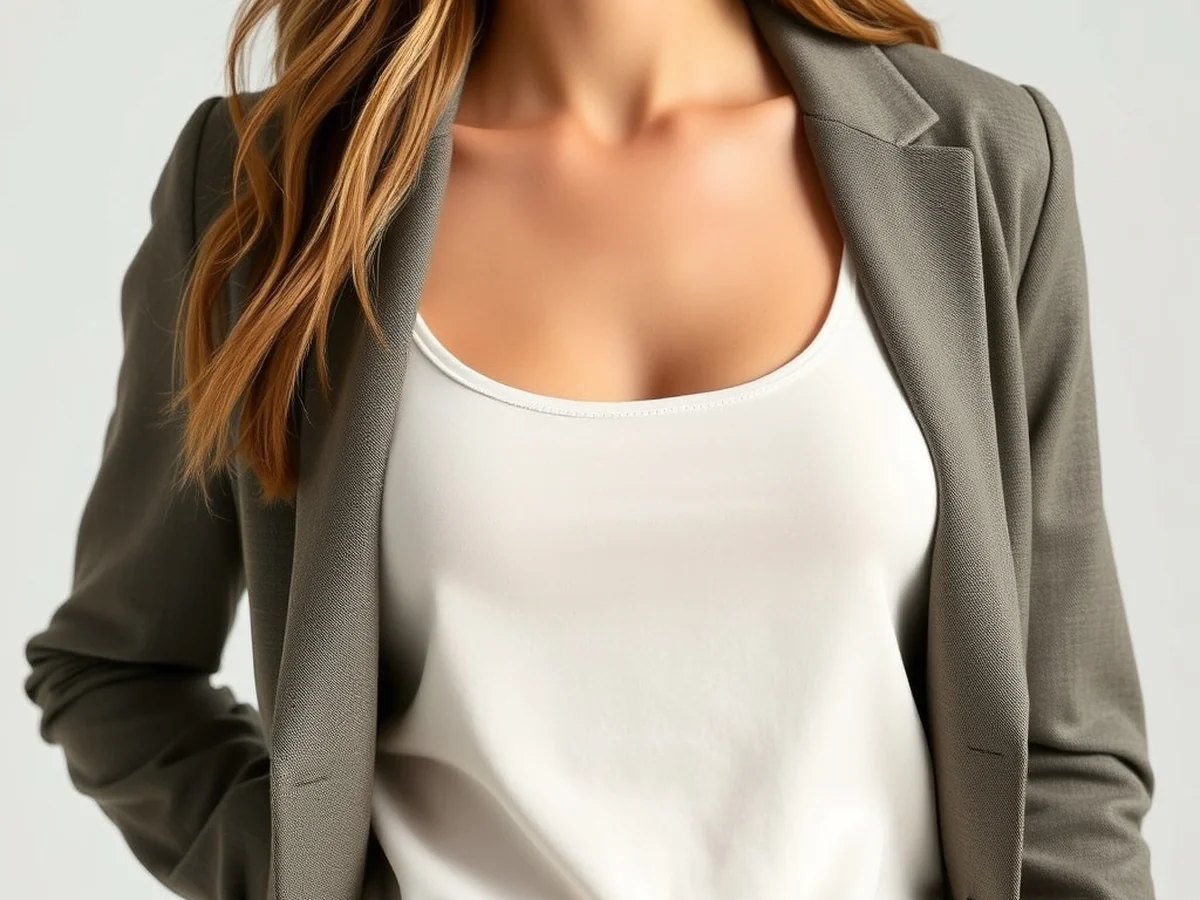
Layering functional pieces requires a reliable framework to keep daily outfit decisions simple. You can streamline your closet by adopting the 3-3-3 rule, which helps you curate a functional collection of clothing without feeling overwhelmed by endless choices. This method focuses on selecting a small group of items that mix and match effortlessly for any schedule, reducing decision fatigue while keeping your aesthetic cohesive.
When building this rotation, understanding the design mechanics behind your choices makes a noticeable difference. Many shoppers look for specific garment cuts to balance proportions and enhance comfort. Choosing the right silhouettes helps create visual balance, while paying attention to fabric choice, like breathable crisp cotton poplin, ensures the garment drapes cleanly without clinging.
Selecting Necklines and Structural Details
The geometry of a neckline changes how your entire upper body is framed. V-neck cuts draw the eye downward, elongating the torso and creating a balanced look for various body shapes. On the other hand, garments with a structured peplum hem define the waist while offering a forgiving fit around the midsection. This makes peplum styles and shorter boxy cuts popular options for those seeking options to hide tummy concerns without sacrificing structure.
Fabric Weight and Sleeve Coverage
Fabric selection dictates how a garment moves and interacts with your frame. Natural materials like crisp cotton poplin hold their shape better than flimsy synthetics, preventing unwanted clinging. When considering arm coverage, short sleeve designs with thoughtful tailoring or long sleeve choices with slight volume at the wrist provide comfort while maintaining a sleek silhouette. Avoid overly stiff fabrics that add bulk where you want smooth lines.
Practical steps help you maximize your wardrobe rotation without overcomplicating your morning routine:
- Select three distinct garments from reliable labels to cover multiple occasions while maintaining a cohesive aesthetic.
- Pair your first selected piece with tailored trousers and sleek flats for a polished office look.
- Dress down your second choice with relaxed denim and comfortable sneakers for weekend errands.
- Layer your third garment underneath a structured blazer when you need an outfit suitable for dinner dates or evening events.
- Keep the rest of your seasonal wardrobe stored away so your daily choices remain focused entirely on this rotation.
Common mistakes during the selection process often involve ignoring fabric weight or choosing overly complex designs that do not layer well under cardigans and coats. Sticking to versatile items from reliable labels known for quality craftsmanship prevents these issues. Common styling guidance highlights options like the Madewell Slub Boxy-Crop Tee, often noted around thirty-eight dollars, and the Nation Kimberley Polo Tee, typically priced near one hundred thirty-five dollars, as practical examples of pieces that fit this minimalist approach. Brands like Sèzane and Ann Taylor also offer dependable options that transition smoothly from casual daytime errands to evening dinners, helping you maintain a polished appearance with minimal effort.
Tops for Tummy Coverage
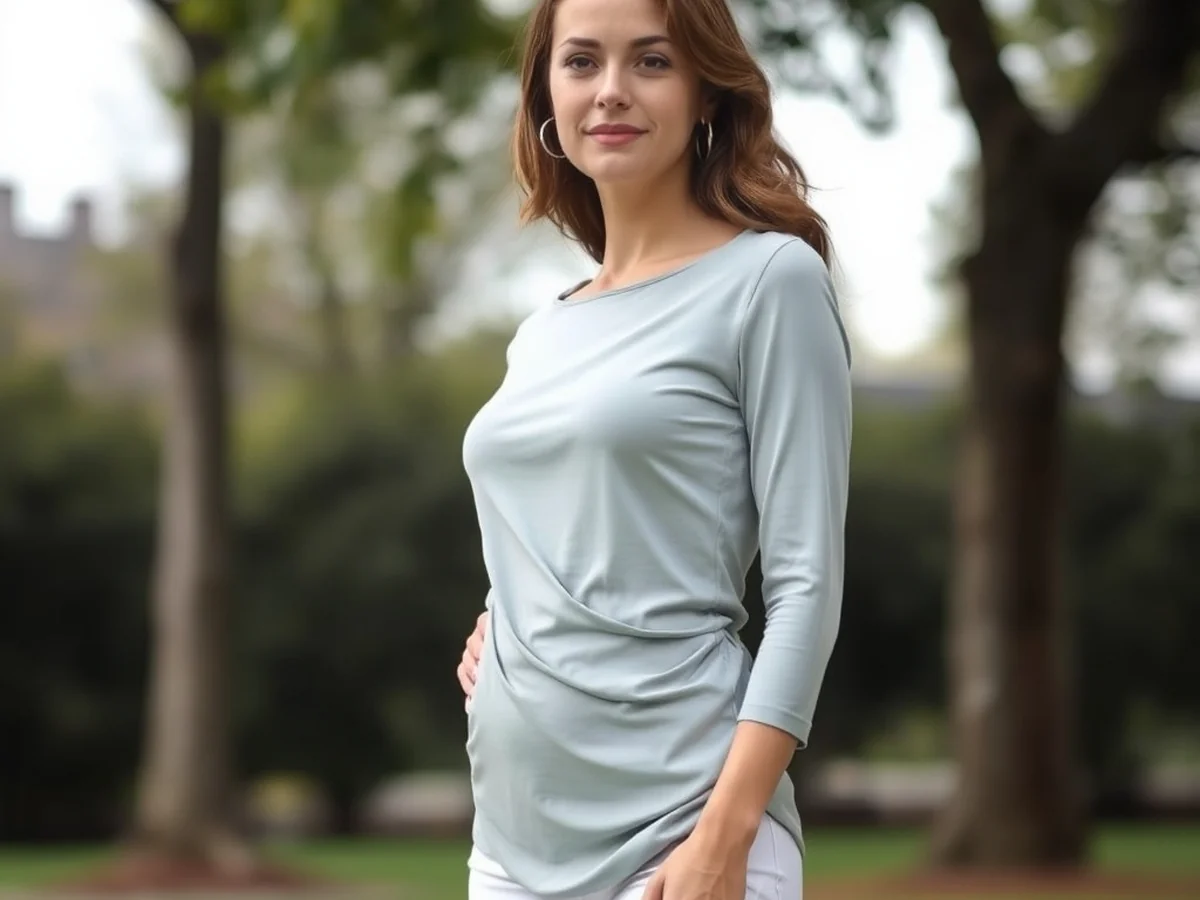
Achieving a balanced silhouette around the midsection is less about hiding and more about selecting structural elements that work with your frame. When searching for flattering tops, the goal is to find pieces that skim the body rather than clinging to areas where you might feel self-conscious. Fabrics play a vital role here. Crisp cotton poplin, for instance, maintains its own shape and provides a clean, structured line that does not reveal the contours of the torso. In contrast, very thin or high-stretch synthetic jerseys can often highlight texture you may prefer to smooth out.
Design features such as a peplum hem or subtle ruffles can be highly effective for those seeking more coverage. A peplum hem adds volume at the hip, which creates a visual balance that draws the eye away from the waistline. Meanwhile, V-neck styles are often cited as the most flattering choice for many, as they elongate the neck and draw the eye vertically rather than horizontally, helping to create a more streamlined torso. When curating your capsule wardrobe, aim for a mix of these shapes to ensure you have versatile options that offer both comfort and confidence.
When selecting pieces with extended coverage, pay close attention to the cut of the shoulder and the weight of the sleeve. A dropped shoulder can soften the upper body, while lightweight materials prevent the arms from feeling heavy or restricted. For warmer weather styles featuring shorter hems, ensure the armhole depth is sufficient to allow for a full range of motion. A common mistake is choosing sleeves that are too tight, which can pinch the underarm and create unwanted bunching across the chest or back.
Practical examples of these styles vary by price point and construction. For a casual, boxy fit that does not cling, the Madewell Slub Boxy-Crop Tee is a common suggestion for its structured yet relaxed aesthetic. For a more polished or tailored look, the Nation Kimberley Polo Tee is often referenced for its combination of premium fabric and thoughtful tailoring. Remember that you do not need to tuck in your shirts to look professional. Modern styling embraces the untucked look, provided the hemline is intentional, such as a curved hem or a split side, which helps the garment lay flat against the hips without pulling.
Avoid These Unflattering Cuts
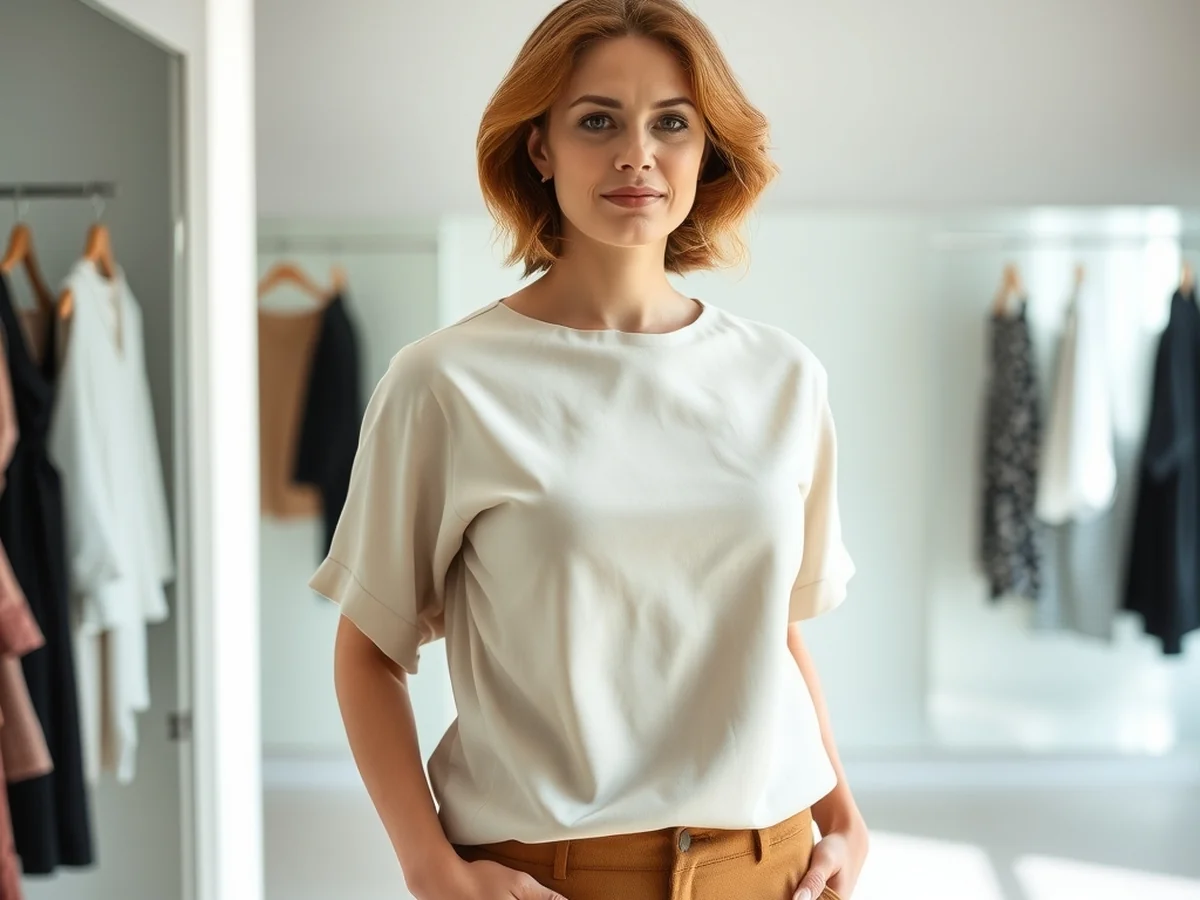
Selecting tops that provide comfort and confidence requires avoiding common design traps that distort your silhouette. Many shoppers mistakenly believe that sizing up or choosing shapeless garments effectively conceals areas they wish to minimize. In reality, these choices often create visual bulk, making the body appear larger rather than more streamlined.
One of the most frequent errors is relying on excessive fabric. While it seems intuitive to hide curves under layers of cloth, oversized garments often swallow your frame, creating a boxy outline that lacks definition. Similarly, opting for stiff, heavy materials that lack natural movement can be counterproductive. Fabrics like heavy, unyielding cotton poplin that do not possess natural stretch will stand away from the body in rigid patterns, adding unwanted width to your profile.
The Impact of Proportions and Hemlines
Proportions play a critical role in your overall aesthetic when building a capsule wardrobe. A common mistake is ignoring the balance between your upper and lower garments. When you pair an extremely loose, voluminous shirt with baggy trousers, you eliminate all definition. This lack of structure leaves the entire frame looking heavy. Instead, aim for a balanced silhouette where either the top or the bottom offers a more streamlined fit.
Furthermore, avoid tops that end exactly at the widest part of your hips, as this draws the eye directly to that area and creates a jarring horizontal line that disrupts your natural shape. For those seeking plus size options or lightweight sleeve designs, finding the right hemline is essential to prevent cutting off the body at an awkward visual point.
Navigating Details and Necklines
When curating everyday outfits, be mindful of how specific cuts affect your torso. Tops with excessive ruffles or poorly placed embellishments can create unnecessary volume around the midsection. Similarly, avoid high necklines if you have a shorter torso, as they can truncate your frame and make your upper body appear more compressed. By focusing on fabrics that offer a gentle drape rather than rigid volume, you can ensure that your clothing complements your natural lines instead of fighting against them. Common styling practices often point toward alternatives like the Madewell Slub Boxy-Crop Tee or the Nation Kimberley Polo Tee when looking for relaxed yet structured silhouettes, though personal fit always dictates the final look.
- Avoid garments that lack movement, as stiff fabrics create rigid, unflattering shapes.
- Steer clear of excess fabric that creates a boxy silhouette, as it often masks your natural waistline.
- Be cautious with horizontal details at your widest points, which can disrupt your proportions.
- Prioritize drape over volume to ensure clothing contours softly to your body rather than bunching.
Expert Tips for Styling Tops

Consult a tailor when an off the rack purchase fits well in the shoulders but feels off elsewhere, such as having too much fabric in the torso or sleeves that are too long. A professional can easily adjust side seams or shorten hem lengths to transform a standard garment into one that feels custom-made for your frame. Prioritizing fit in the shoulders first is essential, as this area is the most difficult to alter later.
You should recognize that a garment is beyond simple adjustment when the structural integrity of the piece is compromised. If a shoulder seam sits far down the arm or the armscye is cut too deep, these elements are often too complex or costly to reconstruct. In these cases, it is usually better to search for a different style that aligns with your proportions rather than attempting to force a fit.
Understanding Fabric and Construction
Ask a professional about the fabric composition, as heavy cotton poplin behaves differently than delicate silk or jersey blends. Natural fibers and structured weaves hold specific silhouettes like a peplum hem or a crisp V-neck much better than ultra-fluid synthetics, which can cling unintentionally. Treating tailoring as an investment in your wardrobe longevity allows you to keep pieces longer even if your body shape fluctuates over time.
Use professional advice to determine if a boxy cut, like those often seen in casual tees, requires a slight taper to prevent it from overwhelming your frame. Casual pieces styled similarly to the Madewell Slub Boxy-Crop Tee typically hover around thirty-eight dollars and benefit greatly from understanding how the hemline interacts with your natural waist.
Curating Your Everyday Collection
Working with an expert helps you move away from impulse buying and toward a curated approach. By understanding the limitations of ready-to-wear clothing, you become more discerning about the construction and fabric quality of your garments. Options like the Nation Kimberley Polo Tee, typically found around one hundred thirty-five dollars, show how classic polo styling can be evaluated for proper shoulder placement and torso drape.
Professional tailors offer valuable consultation that goes beyond basic repairs by helping you build a cohesive personal aesthetic. They can identify which silhouettes consistently work for your body type. This insight allows you to make more informed purchases, ensuring your closet is filled with flattering tops that actually serve your daily needs and provide lasting confidence.
FAQ
Which clothing cuts create the most balanced silhouette?
Designs featuring a V-neck and a gentle drape offer the most universally balanced look by elongating the torso. Options like the Madewell Slub Boxy-Crop Tee or pieces featuring a structured peplum hem also create clean lines without feeling restrictive.
Do I need to tuck in shirts to look professional or stylish?
You can easily look polished without tucking in your clothes by choosing styles with a finished hem designed to be worn loose. High-quality materials like crisp cotton poplin fall smoothly over the midsection without bunching.
How do ruffles and peplum hems affect body shape?
Ruffles draw attention upward toward the face and shoulders while strategically placed peplum hems nip in at the narrowest part of the waist. These architectural details create definition and add visual interest while keeping the fit comfortable.
What are some examples of flattering shirts?
Popular choices for versatile wear include the Sèzane Coralia Shirt and the Nation Kimberley Polo Tee, both known for their effortless drape. Selecting the right garment comes down to finding breathable fabrics that skim the body rather than cling to it.
Conclusion
Deciding on the right wardrobe updates comes down to prioritizing comfort and personal confidence over rigid rules. When you build a collection around well-chosen flattering tops, getting dressed each morning becomes a simple, stress-free routine. Focus on breathable fabrics and thoughtful cuts that make you feel your best. Take a closer look at your current closet, clear out the pieces that no longer serve you, and invest in silhouettes that offer both ease and style.